Speaker Angle Optimization
The 30-Degree Rule
Front left and right speakers are typically positioned at approximately 30 degrees from the center listening position. This angle provides optimal stereo imaging and soundstage width while maintaining proper dialogue localization from the center channel.
Surround Channel Placement
Side and rear surround speakers are positioned at angles between 90 and 150 degrees relative to the primary listening position, depending on the audio format being used.
Height channels for immersive audio formats are typically placed directly above or slightly forward of the listening position, at angles between 30 and 45 degrees from horizontal.
- Side surrounds: 90-110 degrees
- Rear surrounds: 135-150 degrees
- Height channels: 30-45 degrees elevation
Acoustic Treatment Placement
First Reflection Points
Acoustic panels placed at first reflection points on side walls help reduce early reflections that can interfere with direct sound from speakers, improving clarity and imaging.
These reflection points are identified using the mirror method: where a mirror placed on the wall would show the speaker from the listening position.
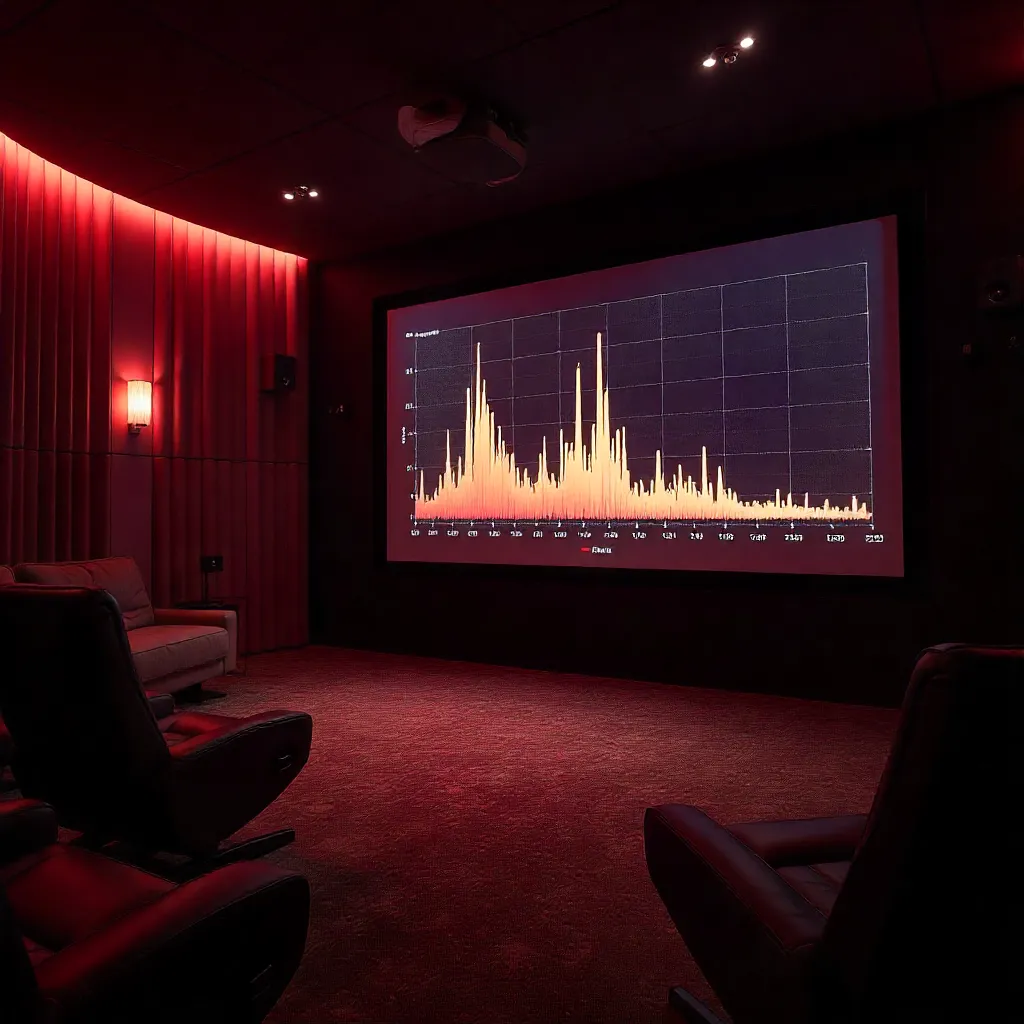
Bass Management
Low-frequency absorption and bass traps are strategically placed to address room modes and standing waves that can cause uneven bass response.
Standing Wave Analysis
Room Dimension Analysis
Measurement of room dimensions helps identify problematic frequency modes that can cause standing waves and frequency response irregularities.
Frequency Response Mapping
Comprehensive frequency response measurements at multiple listening positions reveal areas of reinforcement and cancellation throughout the room.
Dead Zone Identification
Areas of significant frequency cancellation, often called "dead zones," are identified and addressed through speaker placement adjustments or acoustic treatment.
Speaker Placement Guidelines
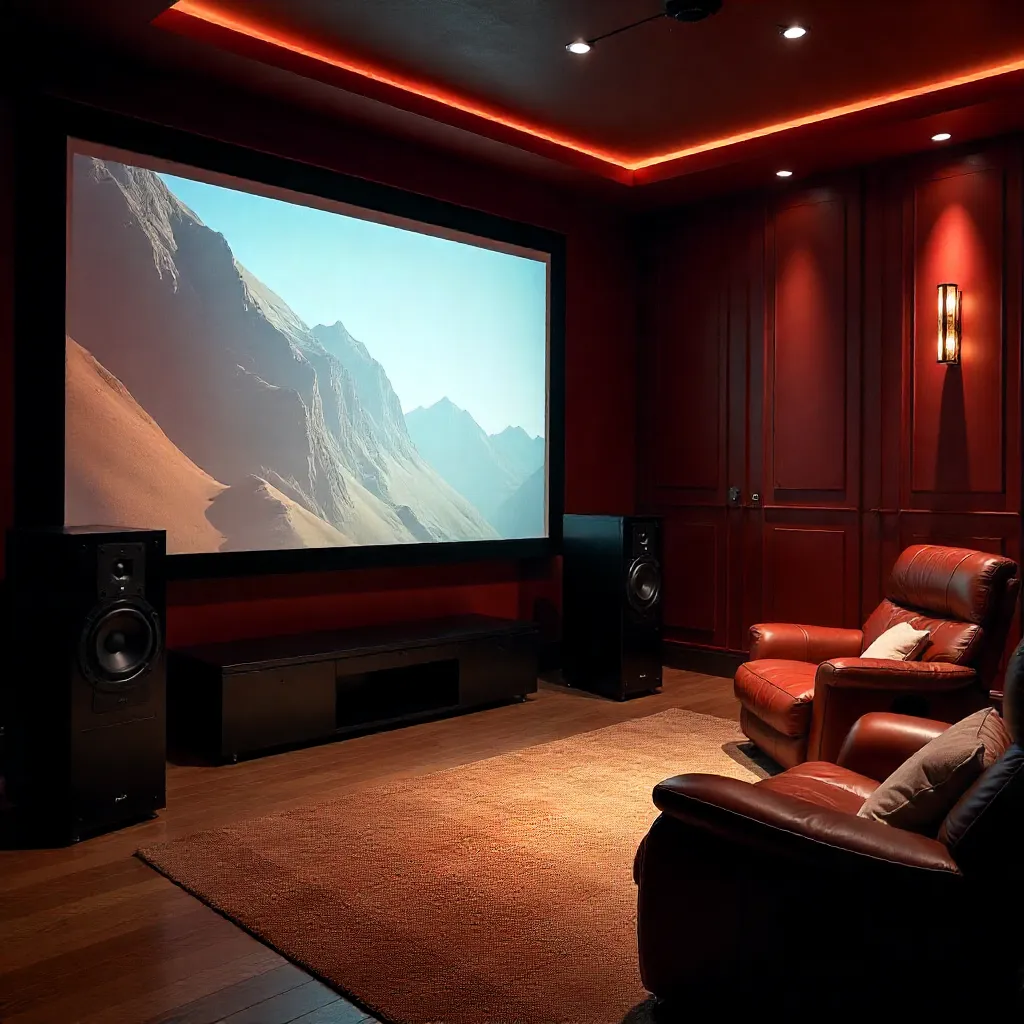
Distance Relationships
Maintaining proper distance relationships between speakers and the listening position ensures balanced sound arrival times and consistent frequency response across all channels.
Height Considerations
Speaker height is adjusted so that tweeters are positioned at or slightly above ear level when seated, typically between 1.0 and 1.2 meters from the floor.
Center channel speakers are often positioned slightly above or below the display, angled toward the listening position to maintain proper dialogue localization.
- Front speakers: Tweeter at ear level
- Center channel: Aligned with display center
- Surrounds: Slightly above ear level
- Subwoofer: Floor placement with isolation
Customized Room Analysis
Each room presents unique acoustic challenges that require tailored solutions:
Room Assessment
Comprehensive evaluation of room dimensions, construction materials, and existing furnishings that affect acoustic performance.
Placement Mapping
Detailed recommendations for optimal speaker placement based on room geometry and listening position requirements.
Treatment Strategy
Specific recommendations for acoustic treatment placement to address identified room mode issues and reflection problems.